Commercial Moves in Finsbury Park
Commercial Moves in Finsbury Park for Local Businesses That Need a Smooth Relocation

If you are planning Commercial Moves in Finsbury Park, you are probably balancing more than one priority at once: keeping disruption low, protecting equipment, staying within time limits, and getting staff back to work as quickly as possible. That is exactly why a well-planned commercial relocation matters. Whether you are moving a small office, a busy shop, a clinic, a workshop, or a shared workspace, the right approach can make the difference between a stressful shutdown and a controlled, efficient move.
Finsbury Park is a practical and varied part of North London, with busy main roads, mixed-use buildings, terraced streets, flats above shops, and commercial premises tucked between residential areas. A local move here often comes with access restrictions, loading concerns, narrow entrances, and the need to work around neighbouring businesses and residents. A commercial moving team that understands the area can plan around those conditions properly, saving time and reducing risk.
When businesses look for commercial movers in Finsbury Park, they usually want a service that is organised, adaptable, and clear about what happens next. That is what good commercial removals should feel like: straightforward communication, careful handling, and a move plan that fits your property, your timetable, and your operations. If you are comparing providers, it helps to know what is included, how preparation works, and why a local team can be a practical choice.
Why Local Knowledge Matters for Business Relocations

Commercial relocations are rarely just about lifting boxes. In a place like Finsbury Park, they may involve timed access, stairs, shared entrances, restricted parking, traffic management, and coordination with building managers. Local knowledge helps the moving team plan a route and a schedule that reflects the realities of the area, rather than relying on a generic approach that may not suit the property.
Many commercial properties in and around Finsbury Park sit in buildings that were not originally designed for modern office equipment or large-scale business use. That can mean tight staircases, limited lift access, historic interiors, or awkward storage areas. A mover familiar with these conditions will usually know how to protect flooring, handle awkward items, and manage transport safely through busier streets and side roads.
Choosing a local company for commercial moves in Finsbury Park can also help with timing. Businesses often need to move outside working hours, on weekends, or in phases so they can keep trading. A local crew is often better placed to respond to these requirements, adjust to last-minute access issues, and work efficiently in nearby areas such as Arsenal, Stroud Green, Crouch End, Holloway, and Harringay.
Useful for offices, retail units, and specialist premises
Commercial removals in this area can involve many different types of business premises. Offices may need desks, monitors, filing systems, and IT equipment moved with care. Retail premises may need fixtures, stock, displays, and tills relocated without damage. Clinics, studios, and service-based businesses may also require a careful, discreet process that respects customer areas and sensitive equipment.
Every business has different priorities. A restaurant will often need a very different relocation plan from a finance office or a creative studio. A good moving service should account for your specific setup, whether that means handling archived paperwork, fragile devices, shelving, specialist furniture, or back-of-house equipment.
What Commercial Moving Services Typically Include

When you arrange a business move, it is helpful to know what the service may cover from start to finish. The exact details vary depending on the property and the scope of the job, but a professional commercial removals service normally aims to reduce pressure on your staff and keep the relocation process organised.
Typical services may include:
- Pre-move planning and route discussion
- Packing support for office items, stock, and equipment
- Safe dismantling and reassembly of furniture where needed
- Protection for floors, doors, and fragile items
- Loading, transport, and unloading
- Placement of items in the new premises according to your plan
- Handling of awkward, heavy, or bulky items
- Coordination around building access and time restrictions
Some businesses only need help with transport, while others want a full move package that includes packing, disassembly, and setup. The more complex the workplace, the more valuable a structured service becomes. For example, an office with multiple departments may need items labelled by room or team, while a shop may need stock separated from display units so reopening can happen faster.
It is also worth considering what you do not want to be left handling at the last minute. Computers, confidential documents, hard-to-move furniture, and specialist fixtures can create problems if they are not planned for properly. The more clearly these items are identified in advance, the smoother the move is likely to be.
Moving support for different business sizes
Commercial moving needs are not limited to large companies. Small businesses in Finsbury Park often need just as much care, especially when every hour of downtime affects trading. A single office, a shared workspace, a local salon, or an independent retailer may all need flexible scheduling and careful handling.
How a Commercial Move Usually Works
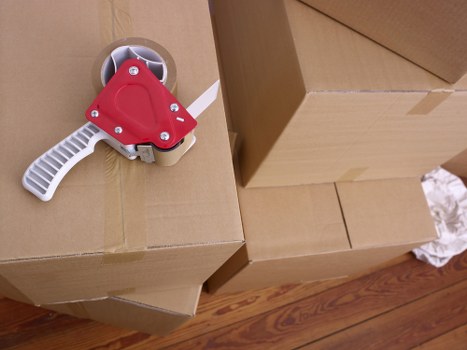
Most business relocations follow a similar structure, even when the properties and contents vary. A clear process helps reduce confusion and gives everyone involved a better understanding of what will happen and when. That matters especially in a busy urban area where access, parking, and loading windows can change quickly.
1. Initial discussion and planning
The move normally starts with a discussion about the size of the premises, the type of items to be moved, the timing, and any access restrictions. This stage is important because it helps shape the moving plan and identify any special handling requirements.
2. Survey of the premises if needed
Some commercial moves benefit from a site visit or detailed walkthrough. This can help identify stairs, lifts, parking challenges, fragile items, and any areas where extra protection may be needed. For businesses in older buildings, a survey can be especially useful.
3. Preparation and packing
Depending on the service you choose, packing may be handled by the moving team, your own staff, or a combination of both. Items may be labelled by department, room, or floor. Sensitive equipment, confidential files, and breakable items should be packed in a way that supports easy identification and safe transport.
4. Moving day operations
On the day, the team will typically work to a planned sequence so items leave the property in an organised way. That may include protecting entry points, managing loading access, and placing goods in the new premises according to your instructions.
5. Delivery, unloading, and placement
Once at the destination, items are unloaded and positioned where required. For a business, this stage is often about getting the essentials into the right place first so operations can resume quickly.
Why this structure helps
A commercial move with a clear process tends to feel less disruptive because everyone knows what to expect. It also reduces the risk of items being misplaced, damage happening during loading, or staff having to improvise on the day. Good planning creates a calmer move.
Preparing Your Business for the Move

Preparation is one of the biggest factors in a successful commercial move. Even a strong moving team can only work as well as the information and readiness they are given. For local businesses in Finsbury Park, the aim is usually to make the relocation as practical and efficient as possible while limiting interruption to customers and staff.
A useful preparation checklist may include:
- Confirming the move date and time window
- Informing staff of their responsibilities
- Separating items that must move first or last
- Backing up data and securing IT systems
- Labelling boxes, files, and equipment clearly
- Removing personal items or sensitive materials
- Notifying building management if access needs coordination
- Checking parking or loading arrangements in advance
It is also sensible to identify any items that need special care. This may include printers, screens, servers, archive boxes, product stock, glass shelving, or equipment that cannot be tilted or stacked. If your business uses specialist furniture or custom fittings, let the moving team know early so the right lifting and transport plan can be put in place.
For many firms, the best way to prepare is to create categories: move first, move with care, do not move, and set up immediately on arrival. That simple structure can save a lot of time and reduce confusion for staff who are helping on the day.
Businesses in mixed-use streets around Finsbury Park should also think about neighbours and shared access. If your premises sit above another business or near residential entrances, it helps to keep corridors clear, avoid peak times where possible, and organise loading in a way that respects the building and surrounding area.
Commercial Property Types We Commonly Help With
Finsbury Park and the surrounding North London area include a wide mix of business premises, which means commercial moving needs can vary greatly from one customer to the next. A useful relocation service should be flexible enough to handle different building layouts and different working patterns.
Common commercial premises include:
- Office suites and co-working spaces
- Retail shops and showrooms
- Cafes, eateries, and hospitality spaces
- Clinics, therapy rooms, and wellness premises
- Studios, creative workspaces, and production rooms
- Light industrial or workshop environments
- Storage rooms, archives, and back-office units
Each of these premises brings its own challenges. Offices often require careful handling of IT and paperwork. Retail spaces may need stock and fixtures managed in a specific order. Clinics and wellness rooms may need discreet relocation of equipment and furniture. Workshops and studios may involve heavy tools or awkward items that require additional planning.
Commercial Moves in Finsbury Park are often easiest when the moving service is adapted to the exact type of premises. For example, a shop on a busy high street may need quick loading to reduce disruption, while an office in a multi-storey building may need protection for lifts, stairs, and communal areas.
Local access and parking realities
Parking and loading can be one of the biggest challenges for business relocations in this part of London. Narrow roads, busy junctions, permit requirements, and limited stopping space can all affect how the move is carried out. This is why route planning and timing are so important. A local moving team will usually be more familiar with how these issues affect the area and can plan accordingly.
Pricing Factors for Commercial Relocations
Customers often want to know what influences the cost of a business move, and it is sensible to ask before committing to anything. Because every commercial relocation is different, pricing is usually shaped by the work involved rather than by a one-size-fits-all approach.
Factors that can affect the price include:
- The size of the premises and volume of items
- The number of floors, stairs, lifts, or access points
- How much packing or dismantling is required
- The distance between the old and new premises
- The level of time pressure or out-of-hours work needed
- Whether specialist items need extra care
- Parking, loading, and transport logistics
- Any need for multiple trips or phased moving
It is often helpful to request a quote after sharing as much detail as possible about your premises and contents. The clearer the information, the easier it is to build a realistic estimate and avoid surprises later. Be prepared to explain whether you are moving in one go or in stages, whether your building has lift access, and whether any items need dismantling before transport.
For businesses trying to minimise downtime, value should not be measured only by the price of the move itself. The real question is how much interruption a poor move could create. A well-managed relocation can help reduce lost trading time, reduce damage risk, and make reopening or restarting operations much easier.
Request a free quote if you want a clearer picture of what your commercial move may involve. A short discussion about the property and the items to be moved can often clarify the next steps quickly.
Why Businesses Choose a Local Commercial Moving Company
There are several practical reasons why local companies are often preferred for commercial removals. The first is familiarity with the area. Finsbury Park has a variety of building types and traffic conditions, and a local team is more likely to anticipate the issues that affect access and timing.
The second is flexibility. If your plans change, or if the building manager confirms a different loading arrangement, a nearby team may be better able to adjust without causing delays. That can matter a great deal when a business move is tied to an opening date, lease handover, or the start of trading in a new unit.
The third is practical communication. Businesses often need clear updates, prompt answers, and a moving service that understands how important the schedule is. When staff are coordinating tenants, customers, or contractors, simplicity matters. A local provider is often easier to work with because the planning process can be more direct and responsive.
Benefits for local commercial customers
- Better awareness of local streets and access conditions
- More realistic scheduling for busy London roads
- Support for mixed residential and commercial buildings
- Flexible planning for phased or out-of-hours moves
- Reduced stress when timing and building access are tight
Whether you are moving within Finsbury Park or relocating to a nearby district such as Highbury, Manor House, Holloway, Archway, or Stoke Newington, local support can make the process feel much more manageable. It is not only about transport; it is about coordination.
Areas Covered Around Finsbury Park
A commercial move in this part of North London often involves more than one neighbourhood. Businesses may move between nearby commercial streets, from an upper-floor office to a ground-floor unit, or from a shared workspace into a dedicated premises. Coverage around the area is therefore important.
Common surrounding areas include:
- Arsenal
- Stroud Green
- Holloway
- Harringay
- Manor House
- Highbury
- Crouch End
- Stoke Newington
- Archway
Some businesses are moving only a short distance, which may still be a complex job if equipment is heavy or the buildings are awkward. Others are moving across borough boundaries and need a team that can manage the logistics without making the process feel complicated. In both cases, the key is having a mover that understands the local road network and the realities of moving in a dense urban environment.
If your premises are located near transport links, busier roads, or shared commercial courtyards, the move may need extra coordination. The best approach is to talk through the route, access points, and timing early so the move can be planned around the site rather than forcing the site to fit the move.
What to Expect on Moving Day
On the day of the relocation, preparation and timing matter more than ever. A commercial move works best when staff know what will happen, the access route is clear, and priority items are ready to go first. The moving team should arrive prepared to work through the agreed sequence and help keep the process on track.
On moving day, you can usually expect:
- A clear start to the work based on the agreed plan
- Attention to protecting surfaces and handling items safely
- Loading arranged to suit access and property layout
- Transport of goods in a structured and careful way
- Unloading and placement in the new premises
- Support with the order of items if set-up planning is in place
For businesses, the first items delivered are often the most important ones: essential equipment, IT, documents, and workstations. Getting those into place early can help teams resume operations more quickly. If you have decided on a phased move, the sequence can be planned so trading continues with minimal interruption.
Clear labelling is one of the simplest ways to make moving day easier. Boxes, drawers, devices, and furniture sections that are marked by room or department are easier to unload and place correctly. That saves time and helps avoid confusion when the team reaches the new site.
FAQs About Commercial Moves in Finsbury Park
How far in advance should I book a commercial move?
It is best to plan as early as possible, especially if your business move must happen at a particular time, outside normal hours, or in a building with limited access. Early booking also gives you more time to prepare staff, organise packing, and confirm any building requirements.
Can you help with both small and larger business moves?
Yes. Commercial relocations can range from a small office or retail unit to a larger workplace with multiple departments. The key is to match the move plan to the size and type of business, rather than assuming every job needs the same setup.
What if my building has difficult access?
That is common in Finsbury Park and surrounding neighbourhoods. Narrow stairs, limited parking, shared entrances, and lift restrictions can all affect a move. A local team can usually plan around those issues more effectively if they are discussed in advance.
Do I need to pack everything myself?
Not necessarily. Some businesses prefer to pack their own documents and personal items, while leaving heavier, awkward, or fragile items to the movers. Others want full packing support. The right choice depends on your time, budget, and the sensitivity of the items being moved.
Can the move be done outside business hours?
In many cases, yes. Out-of-hours or weekend moving can be useful for businesses that want to reduce downtime. This is particularly helpful for shops, offices, and customer-facing premises where uninterrupted trading matters.
What should I do with confidential files or sensitive equipment?
These items should be identified early, secured properly, and handled according to your internal procedures. If the move involves data-sensitive materials or specialist equipment, mention that during planning so the correct approach can be used.
Choosing the Right Team for Your Commercial Relocation
When comparing commercial moving services, it helps to look beyond basic transport. You want a team that understands planning, access, timing, and the needs of a working business. In a place as active and varied as Finsbury Park, those factors can be just as important as the move itself.
Look for a service that can offer:
- Clear communication before the move
- Experience with business premises of different sizes
- Care around fragile, heavy, or specialist items
- Practical planning for access and parking
- Flexibility for phased or time-sensitive relocations
- A process that supports minimal disruption to your business
If you are ready to take the next step, it is a good time to request a quote and discuss your moving requirements in detail. The more your relocation is planned around your actual premises and schedule, the smoother it is likely to feel. Book your service now if you want to secure a moving slot that fits your business timetable.
Commercial Moves in Finsbury Park should feel organised, careful, and tailored to your property. Whether you are relocating an office, a shop, a studio, or another type of business, a local service can help reduce stress and keep the move moving in the right direction.
Ready when your business is
From initial planning to final placement, the aim is to make the move practical for your staff, considerate to the building, and efficient for your operations. If your business is preparing for a relocation in or around Finsbury Park, now is the right time to start the conversation and get the details in place.
Contact us today to discuss your commercial move requirements and arrange the next steps.