Removal Companies in Finsbury Park

Our removal companies in Finsbury Park service is built around careful, organised moving support for homes and workplaces, with the emphasis on handling possessions properly from the first packed item to the final placement at the destination. We keep the service practical and straightforward, so customers can plan a move with a clear idea of the work involved and the main choices available. If you need a removal company for a local move or a longer journey, we can help you compare the scope of the job before you request a quotation.
The service is suitable for moving furniture, boxed belongings, appliances, and mixed household or office items, with support that can be shaped to the size of the property and the amount of packing needed. We also work with customers who need a more flexible man and van style move when the load is smaller or the access is straightforward. For larger moves, the planning tends to focus on access, the volume of goods, and whether specialist handling is needed for awkward or heavy items.
Because no two moves are identical, we use the same clear approach whether the job is focused on a single room, a full flat, or a business premises. That means thinking about the order of loading, the route through the property, and any items that need more careful protection on the day. A well-structured move is usually easier to manage than a last-minute rush, so it is worth deciding early which possessions are staying with you, which need dismantling, and which should be treated as fragile.
House removals and domestic moving support
Domestic moves often need more than transport alone, especially when furniture has to be handled through narrow hallways, stairwells, shared entrances, or parking restrictions. Our house removal service is intended for customers moving from flats, terraces, converted buildings, or family homes who want a structured process rather than trying to piece the move together themselves. If you are comparing options, our house removals page describes the type of domestic work that can sit behind a full household move.
In practice, this kind of move may involve dismantling selected furniture, wrapping protective items, separating essentials for easy access, and loading in a sensible order so that unloading is more efficient later. It is also helpful to think about timing, lift access, parking space, and whether any fragile items should travel separately from heavier furniture. Good preparation does not need to be complicated; it simply needs to be consistent so that there are fewer unknowns on moving day.
What domestic customers usually want from the service
Many customers want the move to be handled in a way that reduces strain on the household and keeps the property usable for as long as possible. That can mean planning around school runs, work commitments, shared entrances, or limited storage space at the new address. Some people only need help with the largest items, while others prefer support across the whole move, including packing, loading, transport, and unloading. When you request a quotation, it helps to note the number of rooms, any bulky items, and whether there are stairs or long carries involved.
Packing, protection and preparation

Packing is often the part of a move that takes the longest, so a removals service can save time by making the process more orderly and reducing the risk of items shifting in transit. We can support moves where packing is done by the customer as well as moves that need structured packing and unpacking help. For those who want a dedicated service description, our packing and unpacking services page covers the practical side of preparing belongings before transport and settling them afterwards.
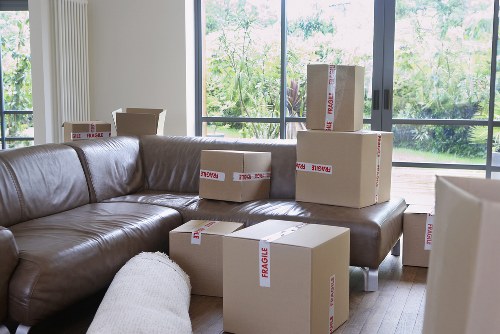
The most useful packing decisions are usually the simple ones: use boxes that are strong enough for the contents, keep heavier items in smaller boxes, and separate breakables from dense household goods. Fragile pieces may need extra wrapping, and furniture surfaces should be protected from rubbing or marks during transit. If you are not sure how much packing support you need, it is often better to decide item by item rather than assume every room requires the same level of attention.
- Pack books and dense items into smaller boxes to keep them manageable.
- Keep essential documents, medication and daily-use items apart from the main load.
- Label fragile boxes clearly so they can be handled with care.
- Set aside anything that should not travel with the removal load.
Furniture, heavy items and careful handling
Large furniture can be the most awkward part of a move because it may need to pass through tight spaces, turn corners, or be lifted over thresholds without damage. A removals team should think about the item itself, the route out of the property, and the conditions at the delivery address before loading begins. The aim is not simply to move objects from one place to another, but to do so in a way that protects floors, walls, and the goods being carried.
Customers often ask for support with wardrobes, beds, dining tables, chests of drawers, sofas, office desks, and similar pieces that are difficult to move safely without planning. Some items are best dismantled first, while others are easier to move intact if the route allows it. For smaller loads or single-item moves, furniture pick-up can be a useful option where the focus is on collecting and delivering specific pieces rather than a full property removal.
Choosing how much handling support you need
The level of help depends on both the furniture and the buildings involved. A ground-floor pick-up with good access may be straightforward, while a top-floor flat with limited parking and a tight staircase is likely to need more care and more time. If there are items with glass, polished finishes, or unusual dimensions, it is sensible to mention them early so the work can be planned properly. This gives a clearer picture of what the move involves and helps avoid unnecessary disruption.
Office removals and commercial moving

Office removals call for a different rhythm from household moving because the aim is usually to move equipment, furniture, and files with as little interruption as possible. Our commercial moving support is aimed at businesses that need desks, chairs, storage, IT items, and document containers transported in an organised way. If you want a wider view of business relocation services, the office removals page is a sensible place to start when comparing what a workplace move may involve.
Workplace moves benefit from clear labelling and simple sequencing. Items in daily use may need to be loaded last and unloaded first, while archive materials or storage pieces may have different priorities. Order matters because offices often need to get working again quickly after the move, even when the relocation itself is relatively short. The right plan usually depends on the size of the team, the amount of furniture, and whether any specialist equipment needs extra protection.
For businesses moving from one site to another, it is useful to decide which items are essential for the first day in the new space and which can follow later. That may include computers, monitors, stationery, filing, meeting room furniture, or reception pieces. We do not assume that every commercial move needs the same method; instead, the service should reflect the layout of the building, the number of items, and any constraints around access or timing.
Vehicle options and load sizes
Different moves require different transport arrangements, and choosing the right vehicle is often as important as choosing the right team. Some customers only need a small van and a careful loader, while others need a larger vehicle that can cope with multiple rooms of furniture and boxes in one journey. A sensible transport choice reduces wasted space, makes loading more efficient, and helps keep the goods secure while they are on the road.
If you are comparing the available vehicle-based services, our moving van page gives a clear route into this part of the offer, while the removal van page is useful for customers who want a more specific removals vehicle option. Those pages are particularly relevant when you need to understand how the transport element fits with loading, unloading, and the size of the job. A careful match between load and vehicle can make the move feel much more manageable.
It is also worth considering whether one trip is likely to be enough, or whether the move may need staged loading if access is limited or the property is still being cleared. That decision affects timing, labour, and the sequence of the day. In many cases, the quotation process is simplest when the main items are listed clearly so the vehicle choice can be matched to the amount of furniture, boxes, and loose goods involved.
Service scope and moving choices
Removal work can be organised in several different ways, and it helps to choose the model that best fits the load and the level of support needed. Some customers want a straightforward transport service, others want help with lifting and loading, and some need more complete support that includes packing, moving, and placement at the destination. The key is to keep the service appropriate rather than overcomplicated, so that you only arrange the parts of the move that are genuinely useful.
Our broader removal services page reflects this flexibility, while the removals page suits customers who want a general overview of moving support across different job types. When the move is more focused on the provision of a company rather than the task itself, the removal company page can help frame the offer. Each of these pages is relevant in a different way, but the underlying aim remains the same: to make the move practical, well planned, and suitable for the goods being transported.
What affects the quotation
Several ordinary factors tend to shape the cost of a removal job, including the size of the load, the number of rooms, the amount of packing assistance, access at both properties, and any items that need dismantling or additional protection. Distance also matters, as do staircases, parking constraints, and whether the move involves one property or multiple pick-ups and drop-offs. A clear list of belongings and access details usually leads to a more accurate quotation than a vague description of the job.
Local moving arrangements and practical planning
When planning a move, it is useful to think about the sequence of the day rather than only the destination. Items that you need immediately should be kept apart from the main removal load, and anything fragile should be identified in advance. A good move also takes into account where the vehicle can stop, how long loading is likely to take, and whether shared access needs to be kept clear. These are the practical details that shape the work on the day.
For customers who prefer a simpler and more flexible approach, the man with van page gives another way to view a small or medium-sized move where the transport is the main requirement. If you are dealing with a one-off collection, a partial clear-out, or a property with limited access, that sort of arrangement may suit the job more closely than a full-scale removals setup. Matching the service to the move is often the best way to avoid paying for more than you need.
In all cases, it helps to be direct about the items that matter most, because that is what allows the work to be planned accurately. If the move includes awkward furniture, delicate boxes, or a mix of household and office pieces, those details should be considered at the quotation stage. A careful description of the job gives the best basis for comparing options and choosing the right service level.
About Finsbury Park

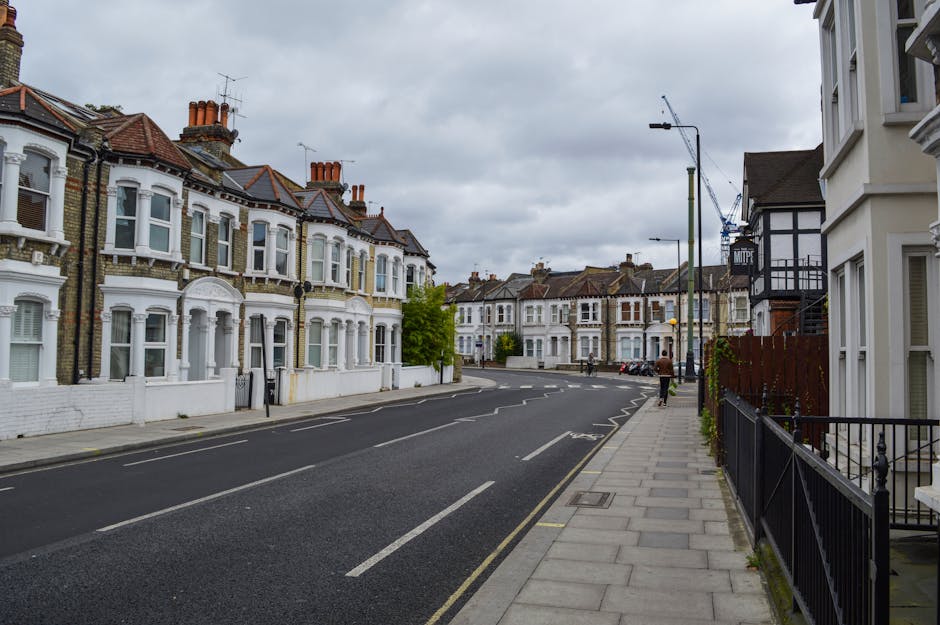
Finsbury Park is an area in north London best known today for the large public park that gives it its name, but the place itself has a layered history shaped by transport, housing, and changing patterns of urban life. The park opened in the 19th century and became an important open space for the surrounding districts, while the wider neighbourhood developed around rail and underground links that connected it to the rest of the capital. The station area sits at the meeting point of several routes, which has helped make the district feel busy and well connected for a long time. Around the park, streets vary from late Victorian and Edwardian terraces to later infill housing and commercial frontages, giving the area a mixed and distinctly urban character. The park remains one of the most recognisable landmarks, with open lawns, tree cover, sports facilities and paths that draw everyday users as well as event visitors. Nearby streets and local centres include a mix of independent shops, places to eat and drink, community facilities and transport-focused public spaces. The neighbourhood has also been associated with different waves of migration and cultural activity, which can be seen in its changing retail life and varied local identity. Because the district sits within a dense part of London, its architecture and street pattern reflect a long process of adaptation rather than one single era of planning. That gives Finsbury Park its particular feel: compact, active, and shaped by both the parkland at its centre and the transport corridors around it.
Quotation and booking details
When you ask for a quotation, the most helpful details are usually the property type, the number of rooms or main items, the collection and delivery areas, and any access issues that could affect loading or unloading. If you have stairs, restricted parking, narrow hallways, or large furniture that needs dismantling, it is better to mention that early. The more accurately the move is described, the easier it is to match the right service and avoid surprises later.
Some customers also find it useful to prepare a short inventory before requesting a price, especially if they are comparing more than one moving option. That inventory does not need to be perfect, but it should include the larger pieces, the approximate number of boxes, and anything fragile or unusually heavy. If you want to take the next step, pricing and quotes is the best place to begin, and you can then contact us to request a quotation when you are ready.
Whether the move is domestic or commercial, local or further afield, the aim is the same: keep the work clear, make the handling sensible, and choose the level of support that fits the job. If you are planning a move in Finsbury Park, speak to us and request a quotation today.